
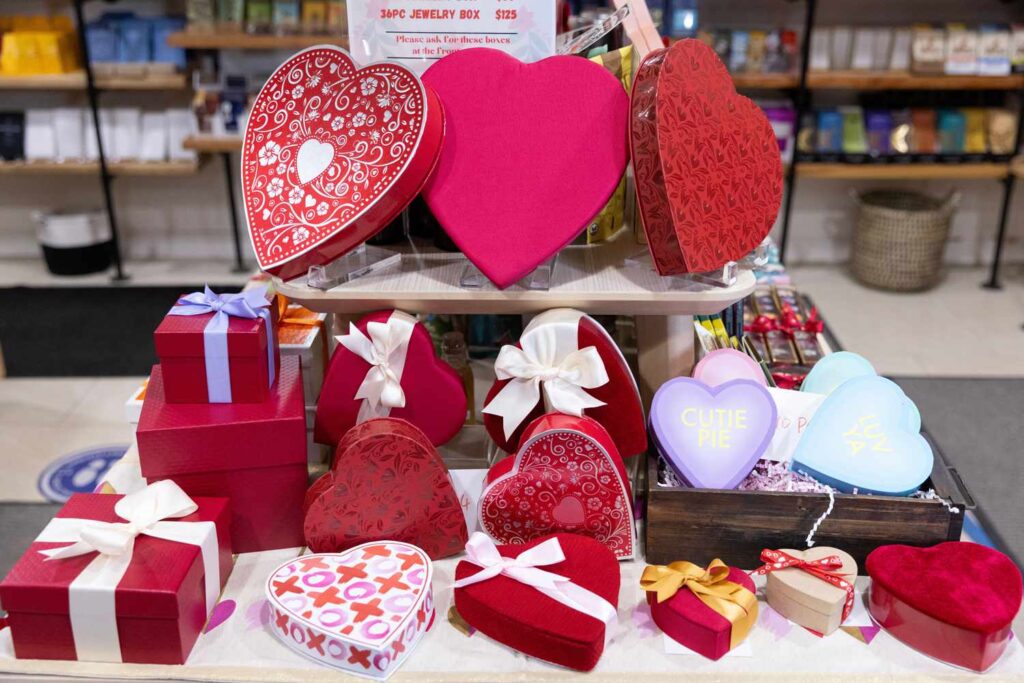
Valentine’s Day isn’t just about roses, chocolates, and romantic dinners. Behind all the heart-shaped decorations lies a fascinating history filled with ancient rituals, secret love letters, surprising statistics, and even a few myths.
Whether you’re planning something romantic or just curious about the holiday, here are 25 fun facts about Valentine’s Day that might surprise you.
1. Valentine’s Day Started as a Pagan Festival
Before it became a celebration of love, Valentine’s Day evolved from the ancient Roman festival Lupercalia, held in mid-February. It was originally a fertility festival dedicated to Faunus, the Roman god of agriculture.
Later, the Christian church replaced it with a day honoring Saint Valentine.
2. There Was More Than One Saint Valentine
Historians believe there were at least two different martyrs named Valentine. One legend says Valentine secretly married couples against Emperor Claudius II’s orders. Another claims he sent the first “Valentine” letter signed “From your Valentine.”
3. Valentine’s Day Became Popular in the Middle Ages
The holiday gained romantic meaning during the time of Geoffrey Chaucer, who wrote about birds choosing their mates on February 14. That poetic connection helped shape the holiday as we know it today.
4. Over 145 Million Cards Are Exchanged Every Year
Valentine’s Day is the second most popular card-sending holiday after Christmas. Millions of greeting cards are exchanged worldwide each year.
5. Teachers Receive the Most Valentine’s Cards
Surprisingly, teachers receive the highest number of Valentine’s Day cards, followed by children, mothers, wives, and sweethearts.
6. Roses Are the Most Popular Flower
Red roses symbolize love and passion. Around 250 million roses are produced just for Valentine’s Day every year.
7. Chocolate Was First Introduced in 1861
Richard Cadbury introduced the first heart-shaped box of chocolates in the 19th century. Today, chocolate remains one of the top gifts for the holiday.
8. Heart Shapes Didn’t Always Represent Love
The heart symbol as we know it doesn’t resemble the human heart. Some historians believe it originated from the shape of silphium, an ancient plant associated with love and fertility.
9. Valentine’s Day Boosts Jewelry Sales
Valentine’s Day is one of the biggest days of the year for jewelry purchases, especially engagement rings and necklaces.
10. It’s a Big Day for Proposals
Millions of couples get engaged on February 14 each year, making it one of the most romantic proposal days worldwide.
11. The First Valentine Was Sent in 1415
Charles, Duke of Orléans, sent what is believed to be the first Valentine’s message to his wife while imprisoned in the Tower of London.
ALSO READ-Best Candle Light Dinner, Hotel & Luxury Gift Deals for Valentine’s Day 2026
12. Valentine’s Day Is Celebrated Differently Around the World
- In Japan, women give chocolates to men.
- In South Korea, there is also a “Black Day” for singles.
- In Finland, the holiday celebrates friendship.
13. Candy Conversation Hearts Have Been Around Since 1866
These small, colorful candies with sweet messages have been a Valentine’s staple for over 150 years.
14. Millions of Marriage Proposals Happen Annually
Statistics show February is one of the most popular months for engagements.
15. More Than $20 Billion Is Spent Annually
Valentine’s Day generates billions in spending each year on gifts, dining, travel, and experiences.
16. Pets Receive Valentine’s Gifts Too
Many pet owners buy Valentine’s gifts for their furry companions.
17. Cupid Comes from Roman Mythology
Cupid is based on the Roman god of love, Eros. He is often depicted with a bow and arrow that makes people fall in love.
18. Valentine’s Day Was Once Banned
In the 17th century, Puritans in England banned Valentine’s Day because they believed it was not a serious religious holiday.
19. “X” Symbolizes a Kiss
The use of “X” to represent a kiss dates back to the Middle Ages, when people signed documents with an X and kissed it as a symbol of sincerity.
20. It’s Not Just for Couples
Many people celebrate with friends and family. “Galentine’s Day” has become popular in recent years as a way for friends to celebrate together.
21. Online Dating Sees a Huge Spike
Dating apps and websites experience increased activity in the weeks leading up to Valentine’s Day.
22. Red Isn’t the Only Romantic Color
While red symbolizes passion, pink represents admiration and affection, and white symbolizes pure love.
23. Valentine’s Day Is One of the Busiest Restaurant Days
Restaurants often require reservations weeks in advance due to high demand.
24. There’s a Valentine’s Day for Singles
In some countries, singles celebrate self-love and independence on February 14 or the following month.
25. The Holiday Continues to Evolve
From handwritten love letters to digital messages and online gift shopping, Valentine’s Day has adapted to modern times while still keeping its romantic essence.
Why Valentine’s Day Remains So Popular
Valentine’s Day isn’t just about commercial gifts. It represents connection, affection, and appreciation. Whether it’s through flowers, experiences, handwritten notes, or simple gestures, people continue to find meaningful ways to celeb
Final Thoughts
Valentine’s Day has a rich and fascinating history that spans centuries, cultures, and traditions. From ancient Roman festivals to modern-day digital love notes, it has transformed into one of the most celebrated holidays worldwide.
Whether you’re planning a romantic evening, sending a thoughtful gift, or simply enjoying the fun traditions, these 25 fun facts show that Valentine’s Day is much more than just hearts and chocolates.
Love it or not, February 14 continues to bring people together — and that’s something worth celebrating.